


Blog
How to Use a Fountain Pen Complete Beginner Guide


Using a fountain pen for the first time can feel intimidating but it shouldn’t be. Once you understand the basics, writing with a fountain pen becomes smoother, more enjoyable, and far more elegant than using regular pens. Whether you’ve just purchased your first premium pen or are exploring fine writing instruments, this beginner-friendly guide will walk you through everything you need to know from holding the pen correctly to maintaining it for long-term use.
Quick Start Guide (For Beginners)
If you’re in a hurry, follow these simple steps:
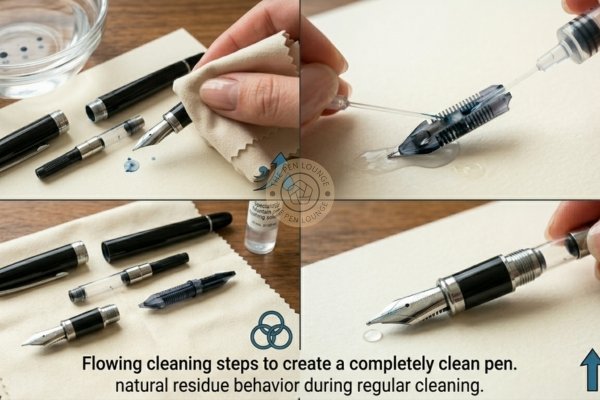
Want to explore beginner-friendly pens? Check our Best Starter Fountain Pens Collection
What is a Fountain Pen?
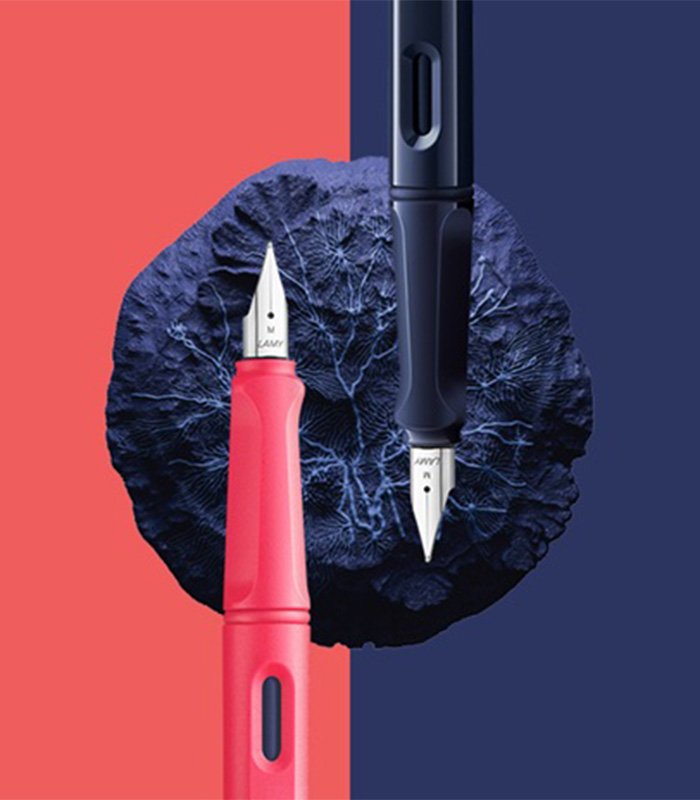
What truly sets fountain pens apart from ballpoint pens is the way they interact with both the writer and the paper. Fountain pens require minimal pressure because the ink flows freely, reducing strain on the hand during long writing sessions. This makes them ideal for students, professionals, and anyone who writes frequently. The smooth glide of the nib across the paper enhances writing comfort and can even improve handwriting over time. Additionally, fountain pens offer a premium and personalized experience—users can choose from a wide variety of nib sizes, ink colors, and pen designs to match their style.

A fountain pen is a refillable writing instrument designed for those who value precision, comfort, and elegance in writing. Unlike disposable pens, it uses liquid ink stored in an internal reservoir—either through ink cartridges, converters, or built-in filling systems. At its core is the nib, typically made of stainless steel or gold, which works with a feed system to regulate the flow of ink. This flow is controlled through capillary action, allowing the ink to move smoothly from the reservoir to the paper without the need for excessive pressure. The result is a consistent, fluid writing experience that feels natural and effortless.
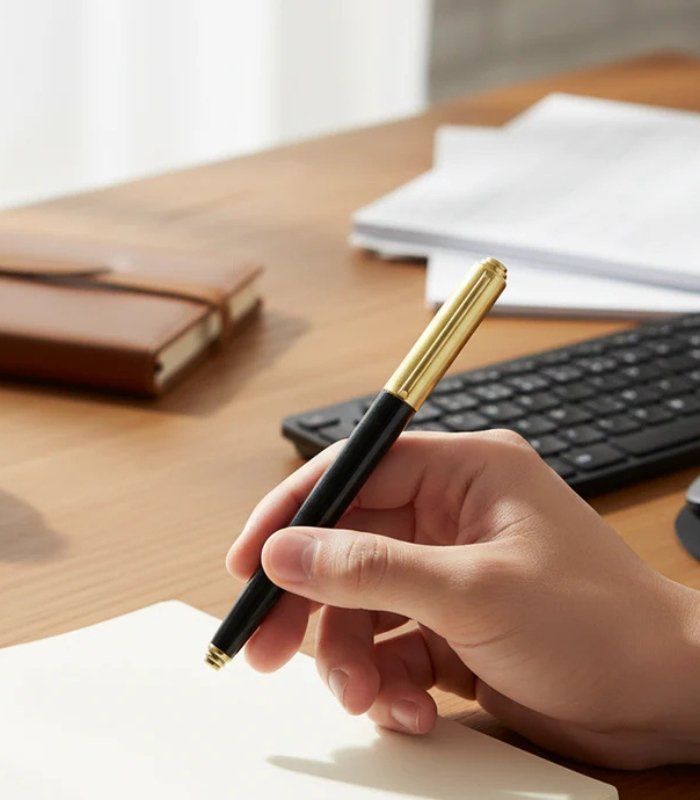
Unlike ball pens, fountain pens:
- Require less pressure
- Provide smoother writing
- Offer a premium writing experience
Explore our Luxury Fountain Pen Collection
How to Hold a Fountain Pen Correctly
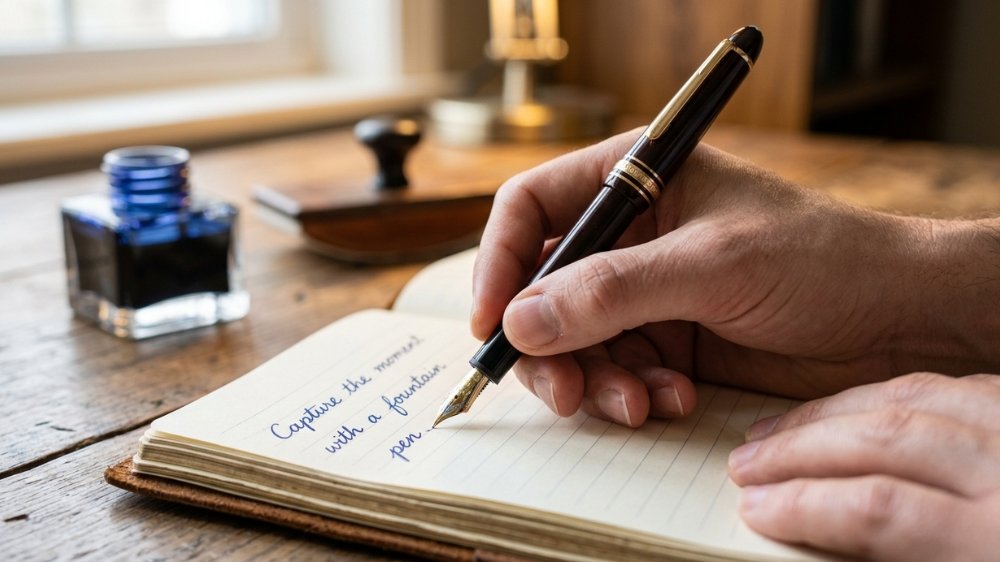

Correct Way:
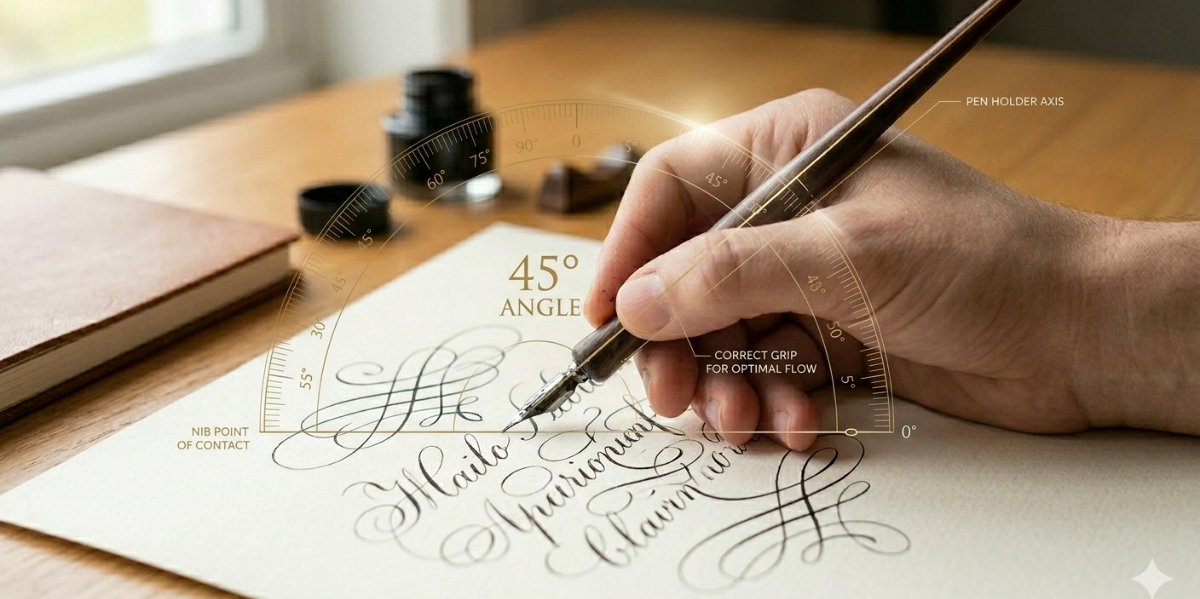
Holding a fountain pen correctly is very important for smooth and comfortable writing. Start by holding the pen gently between your thumb and index finger. Your grip should be relaxed, not tight—think of it like holding something delicate. A tight grip can stop the ink flow and make writing feel uncomfortable.
Next, let the pen rest naturally on your middle finger. This finger acts as a support, helping you balance the pen while writing. When your fingers work together this way, you get better control and smoother strokes without putting pressure on your hand.
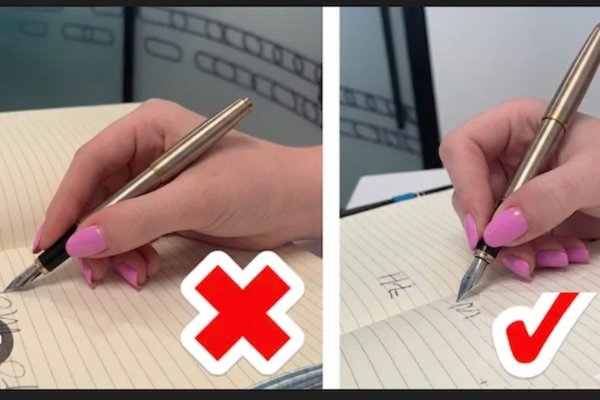
Make sure the nib is always facing upward. Fountain pen nibs are designed to write properly only from one side. If you rotate the pen or hold it incorrectly, the ink may not flow well, and the writing can feel scratchy or uneven.
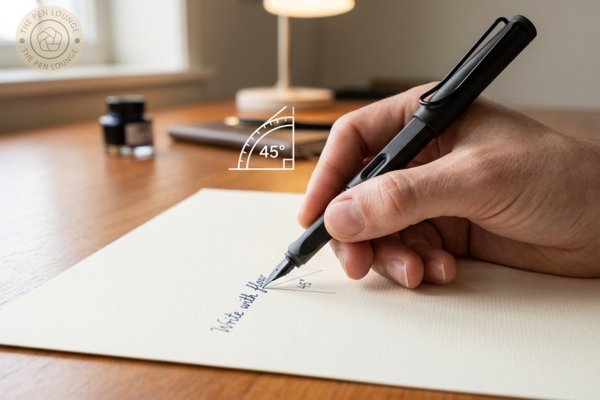
Finally, maintain a 45-degree angle between the pen and the paper. This angle is ideal because it allows the ink to flow smoothly through the nib onto the paper. Holding the pen too upright or too flat can interrupt the ink flow and affect writing quality.
When you follow these steps, writing with a fountain pen becomes effortless, smooth, and much more enjoyable.
Avoid These Common Mistakes
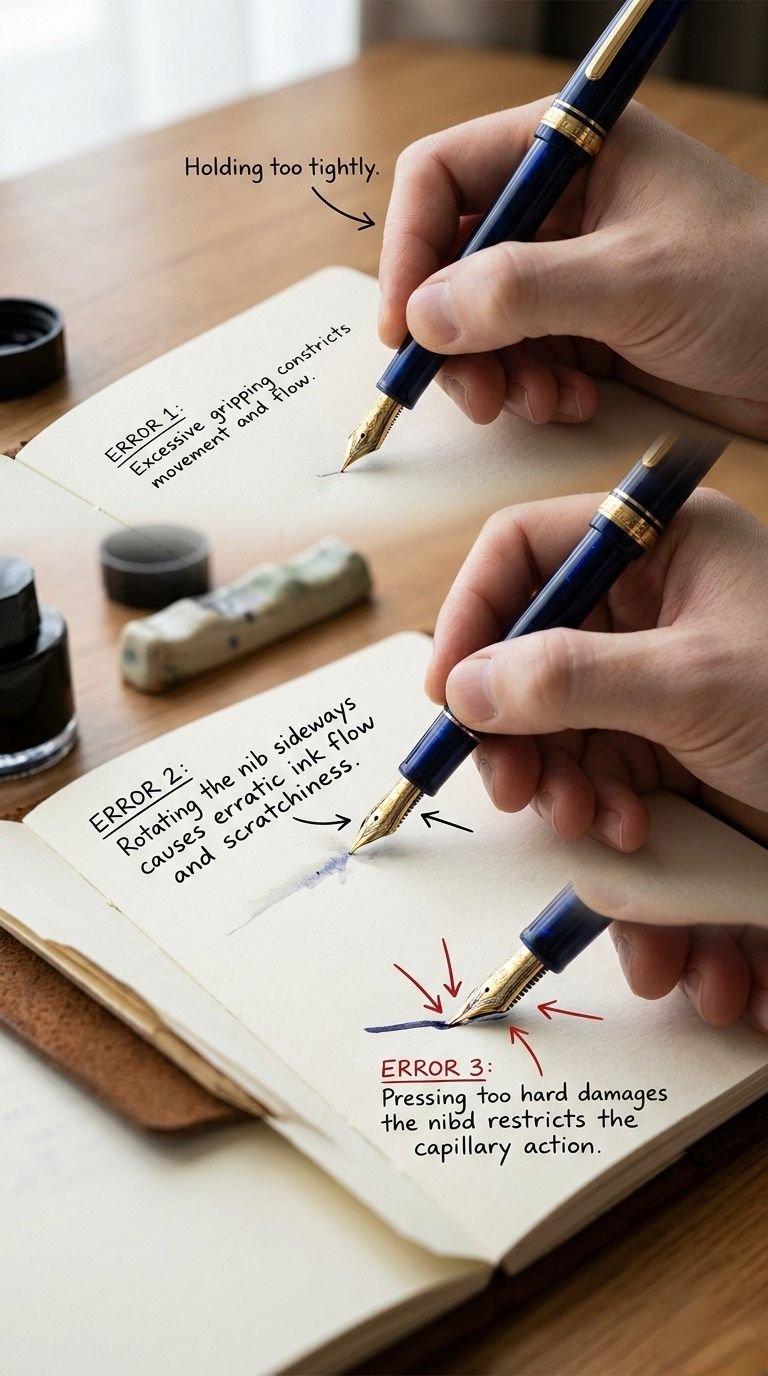
1. Holding too tightly
Gripping the fountain pen too hard can block natural hand movement and make writing tiring. It may also affect ink flow, causing inconsistent writing. Always keep a relaxed grip—let the pen glide, not force it.
2. Rotating the nib sideways
Fountain pen nibs are designed to work in one specific position. If you rotate the pen sideways, the ink flow may stop or feel scratchy on paper. Keep the nib facing upward and aligned properly for smooth writing.
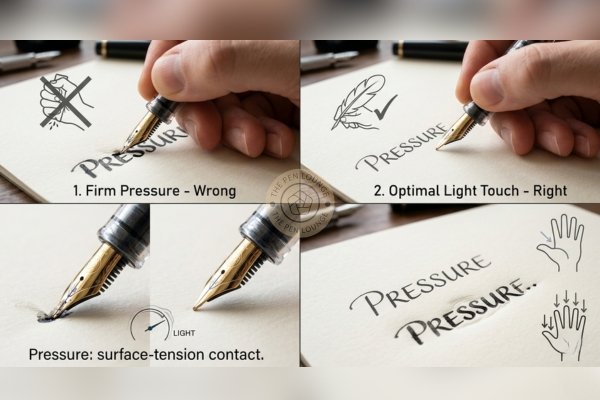
3. Pressing too hard
Unlike ball pens, fountain pens don’t need pressure to write. Pressing hard can damage the nib over time and may even cause ink blobs or paper tearing. Let the ink flow naturally with a light touch for the best experience.
How to Start Writing with a Fountain Pen
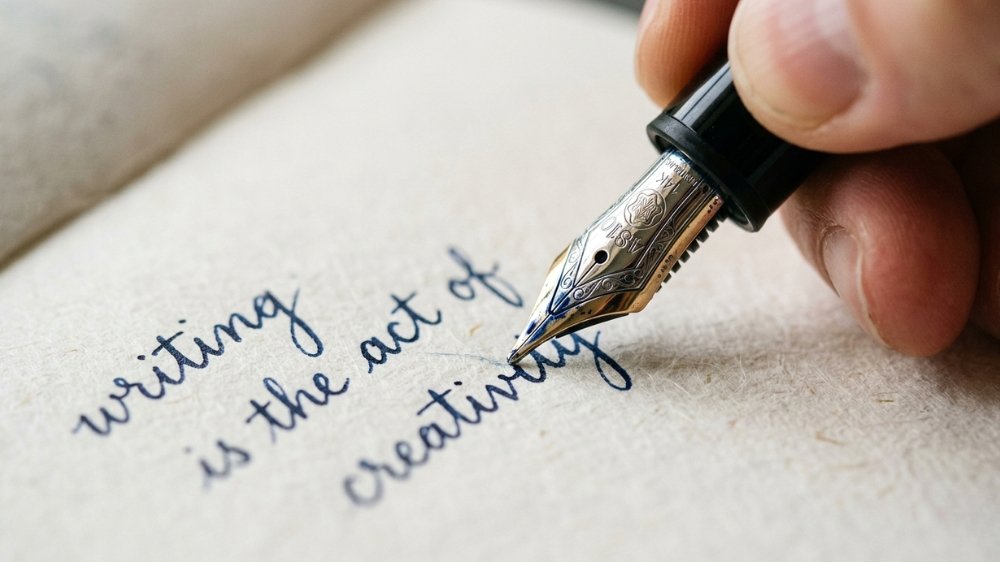
- Place the nib gently on paper
Rest the nib lightly on the paper surface, allowing both tines to touch evenly. A soft touch helps the ink flow smoothly from the start.
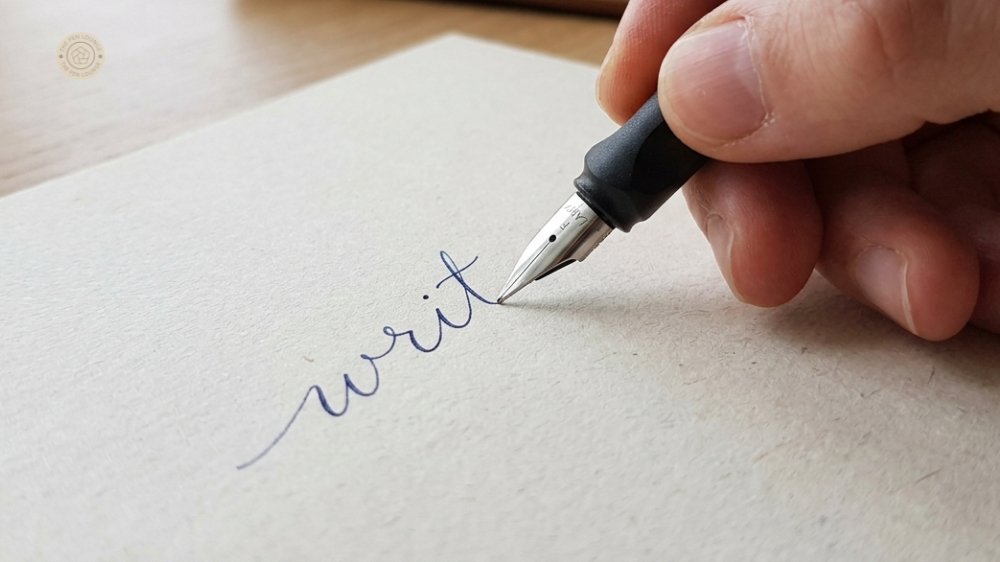
2. Start writing without pressure
Let the pen do the work—fountain pens rely on ink flow, not force. Begin writing with a relaxed hand to avoid scratching or ink skipping.
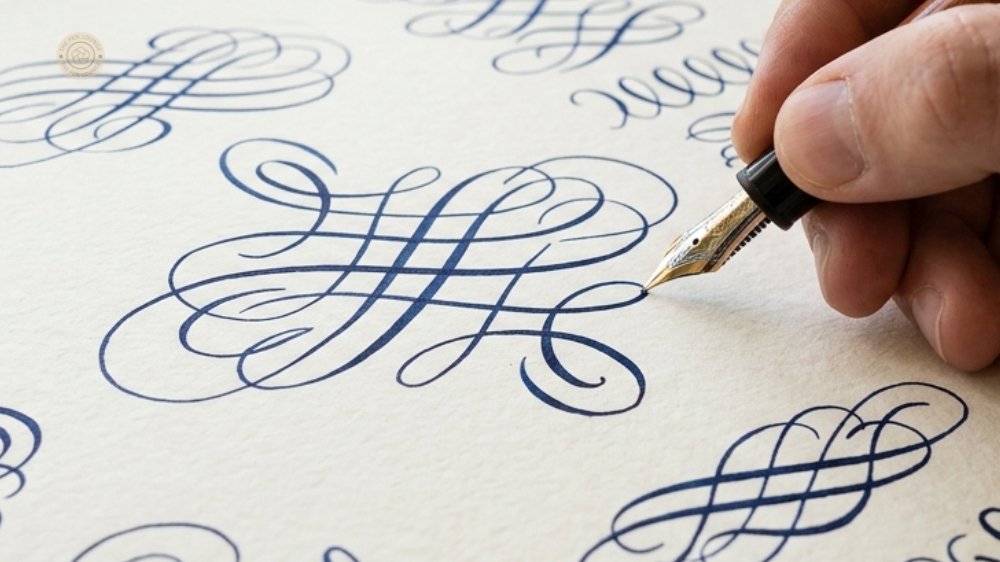
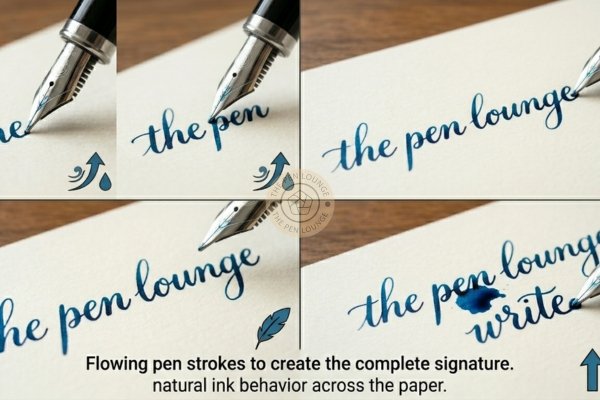
3. Use smooth, consistent strokes
Move your hand steadily and maintain an even rhythm. Smooth strokes improve ink flow and give your writing a clean, elegant look.
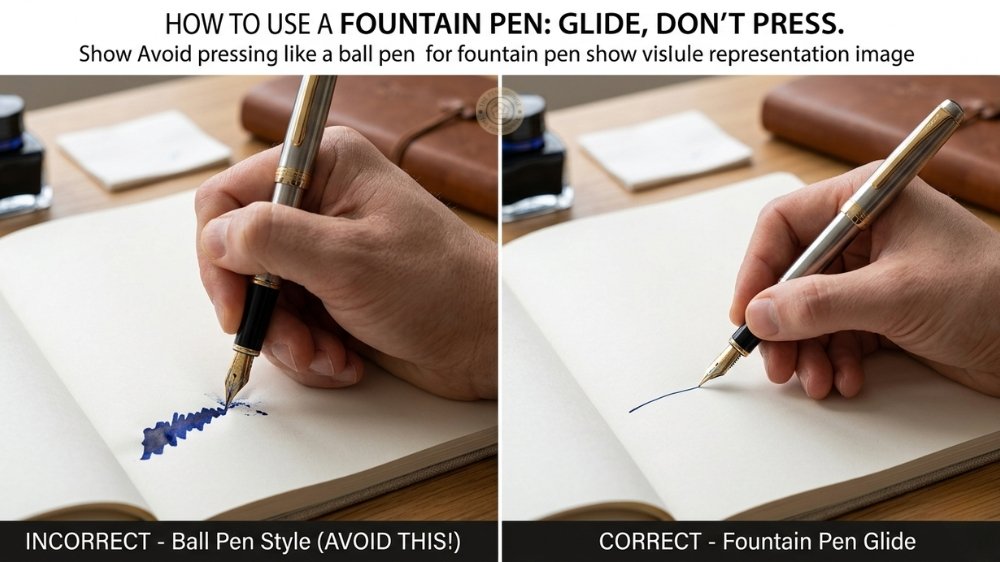
4. Avoid pressing like a ball pen
Do not apply extra pressure as you would with a ballpoint pen. Pressing too hard can damage the nib and reduce the pen’s performance over time.
Pair your pen with Premium Fountain Pen Inks for best performance
How to Fill a Fountain Pen
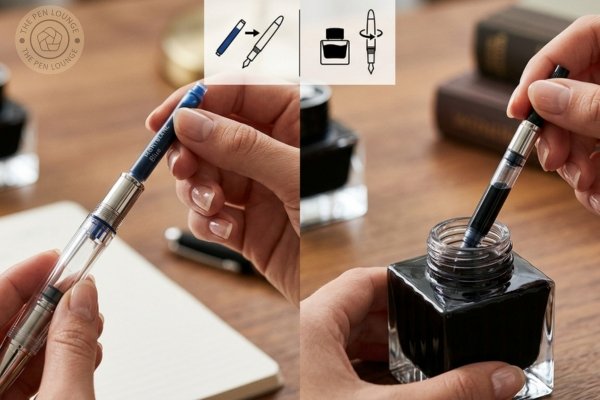
There are 3 common filling methods:
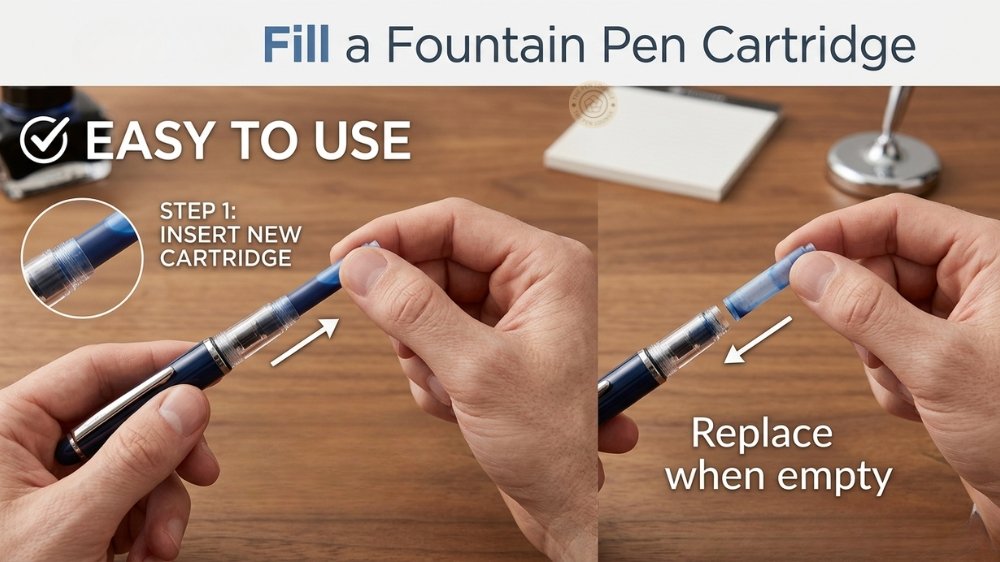
1️⃣ Cartridge (Easy to Use)
Cartridge filling is the simplest method, perfect for beginners. Just insert a pre-filled ink cartridge into the pen until it clicks or punctures, allowing ink to flow into the nib. There’s no mess or setup required, and when the ink runs out, you simply remove the empty cartridge and replace it with a new one—quick, clean, and convenient for everyday use.
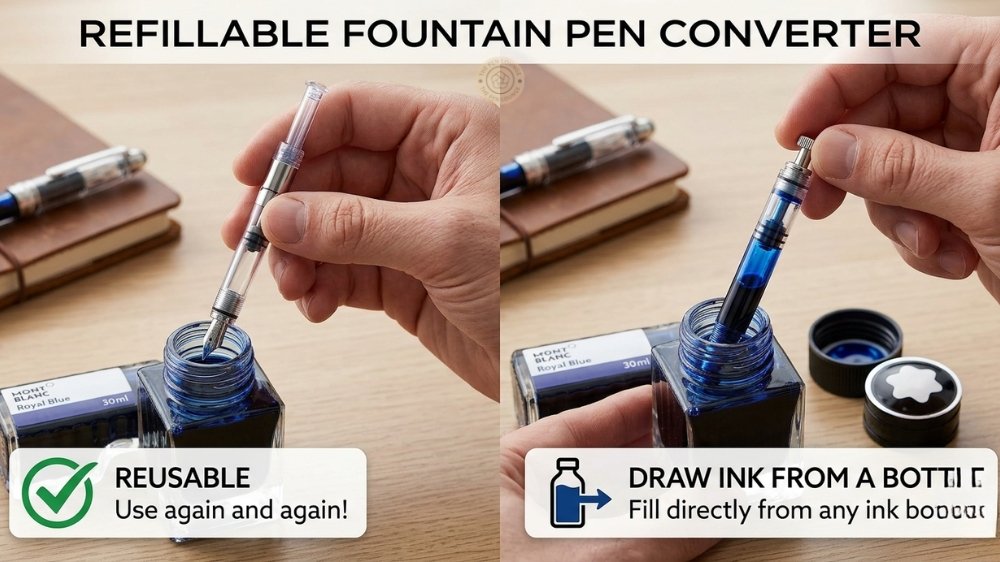
2️⃣ Converter (Reusable)
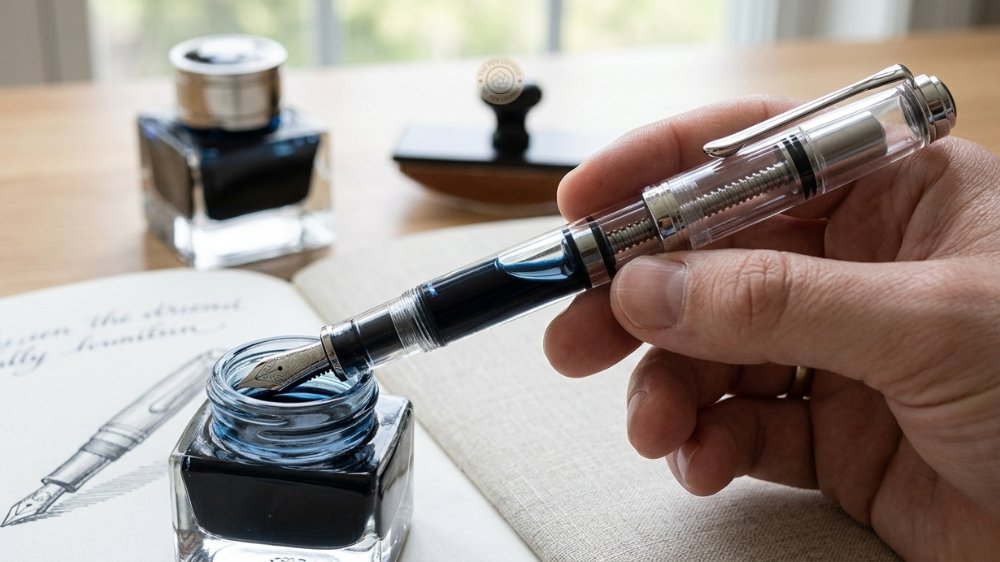
A converter is a refillable option that lets you use bottled ink. Attach the converter to your pen, dip the nib into an ink bottle, and twist or pull the converter to draw ink inside. It’s reusable, cost-effective, and gives you access to a wide variety of ink colors—ideal for regular fountain pen users.
3️⃣ Piston Fill (Built-in System)
Piston fillers have a built-in mechanism inside the pen, so no cartridge or converter is needed. Simply dip the nib into an ink bottle and twist the end knob to draw ink directly into the barrel. This system holds more ink and is commonly found in premium fountain pens, making it ideal for long, uninterrupted writing sessions.
👉 Browse our Bottled Ink Collection
Common Mistakes Beginners Make
Avoid these mistakes to improve your experience:
Avoiding a few simple mistakes can greatly improve your fountain pen writing experience, especially if you’re just starting out. Many beginners treat a fountain pen like a ball pen, which can lead to poor performance and even damage over time. Understanding the right techniques will help you enjoy smooth writing, better ink flow, and longer pen life.
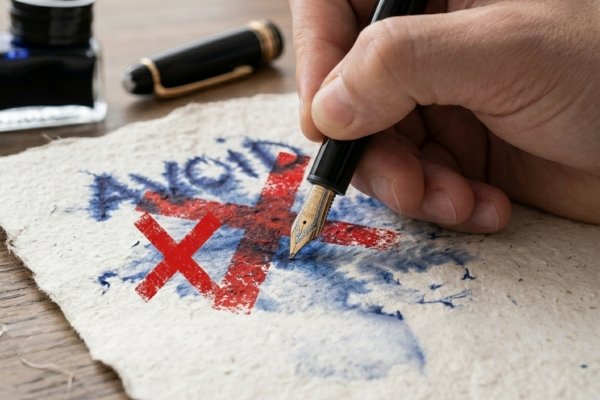
One of the most common issues is pressing too hard while writing. Unlike ballpoint pens, fountain pens are designed to work with little to no pressure. Applying force can damage the nib and interrupt the natural ink flow. Another frequent mistake is using low-quality paper. Cheap or rough paper tends to absorb ink quickly, causing feathering and bleed-through, which affects writing clarity and overall look.
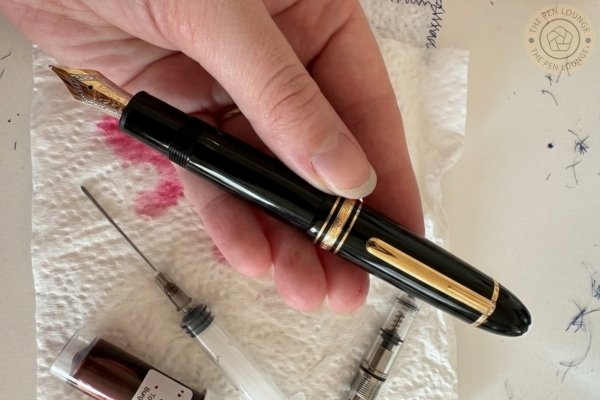
Proper maintenance is equally important. Many users make the mistake of not cleaning the fountain pen regularly, which leads to ink clogging and inconsistent flow. Cleaning your pen every few weeks ensures smooth performance and extends its lifespan. Additionally, holding the pen at the wrong angle can prevent the nib from making proper contact with the paper, resulting in scratchy or uneven writing. Always aim for a comfortable 45-degree angle.
Lastly, avoid letting ink dry inside the pen. If a fountain pen is left unused for long periods without cleaning, the ink can dry and block the feed, making it difficult to write. Regular use and proper storage can prevent this issue.

- Learn more about Fountain Pens Collection
- Explore Premium Fountain Pen Inks
- Shop Pen Cleaning Accessories
Fountain Pen Maintenance Tips
Keeping your fountain pen well-maintained ensures smooth ink flow, longer lifespan, and consistent writing performance. A little regular care goes a long way in preserving both the nib and the internal mechanism.
Clean your pen every 2–4 weeks to prevent ink buildup and clogging, especially if you use it daily. Always use clean, room-temperature water for flushing, as harsh chemicals can damage the feed and nib. When not in use, store your pen upright (nib facing upward) to avoid ink leakage and maintain proper flow. It’s also important to avoid mixing different inks, as this can cause chemical reactions that may clog or damage your pen.
👉 Learn more in our Fountain Pen Care Guide
Beginner Tips for Better Writing
Improving your handwriting with a fountain pen becomes easier when you follow a few simple yet effective tips. The right tools and techniques can make a big difference in achieving smooth, clean, and stylish writing.
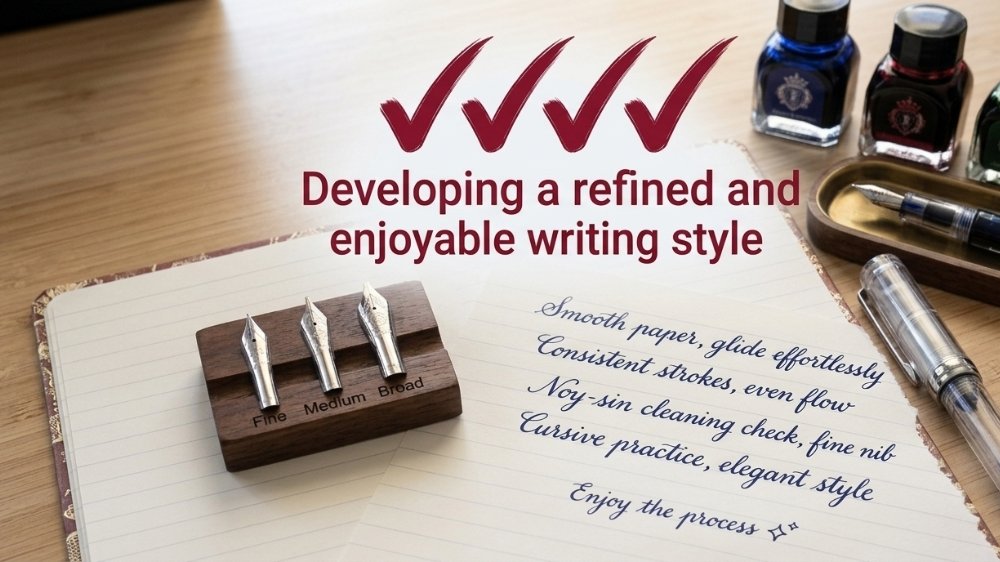
Start by using smooth, high-quality paper, as it allows the nib to glide effortlessly and prevents ink from bleeding or feathering. Focus on practicing consistent strokes, which helps maintain even ink flow and improves overall handwriting control. You can also try different nib sizes (Fine, Medium, Broad) to find what suits your writing style best—each nib offers a unique feel and line variation. Don’t hesitate to experiment with different ink colors, as it adds personality to your writing and enhances the overall experience.
👉 Discover Exclusive Limited Edition Pens
With these beginner-friendly tips, you can gradually develop a more refined and enjoyable fountain pen writing style
FAQs
No, they write smoothly with minimal pressure.
Tristique parturient nulla ullamcorper at ullamcorper non orci iaculis neque augue.
Yes, especially once you're comfortable using them.
Every 2–4 weeks or when changing ink.
Porta sapien nulla maecenas quis condimentum curabitur suscipit dolor est phasellus dui sociis fringilla a dignissim quisque ullamcorper nec eu eros.Elit consectetur non parturient tempus adipiscing nullam metus.
Start with standard, well-flowing inks like blue or black.
🏁 Conclusion
Learning how to use a fountain pen is simple—and once mastered, it transforms your writing experience completely. From smooth ink flow to elegant handwriting, a fountain pen offers a level of satisfaction that modern pens simply can’t match.
If you’re just starting your journey, choosing the right fountain pen and maintaining it properly will make all the difference in achieving a premium writing experience.